
Your Guide to Jinnah Hospital Karachi: Public Transit Routes and Historic Legacy
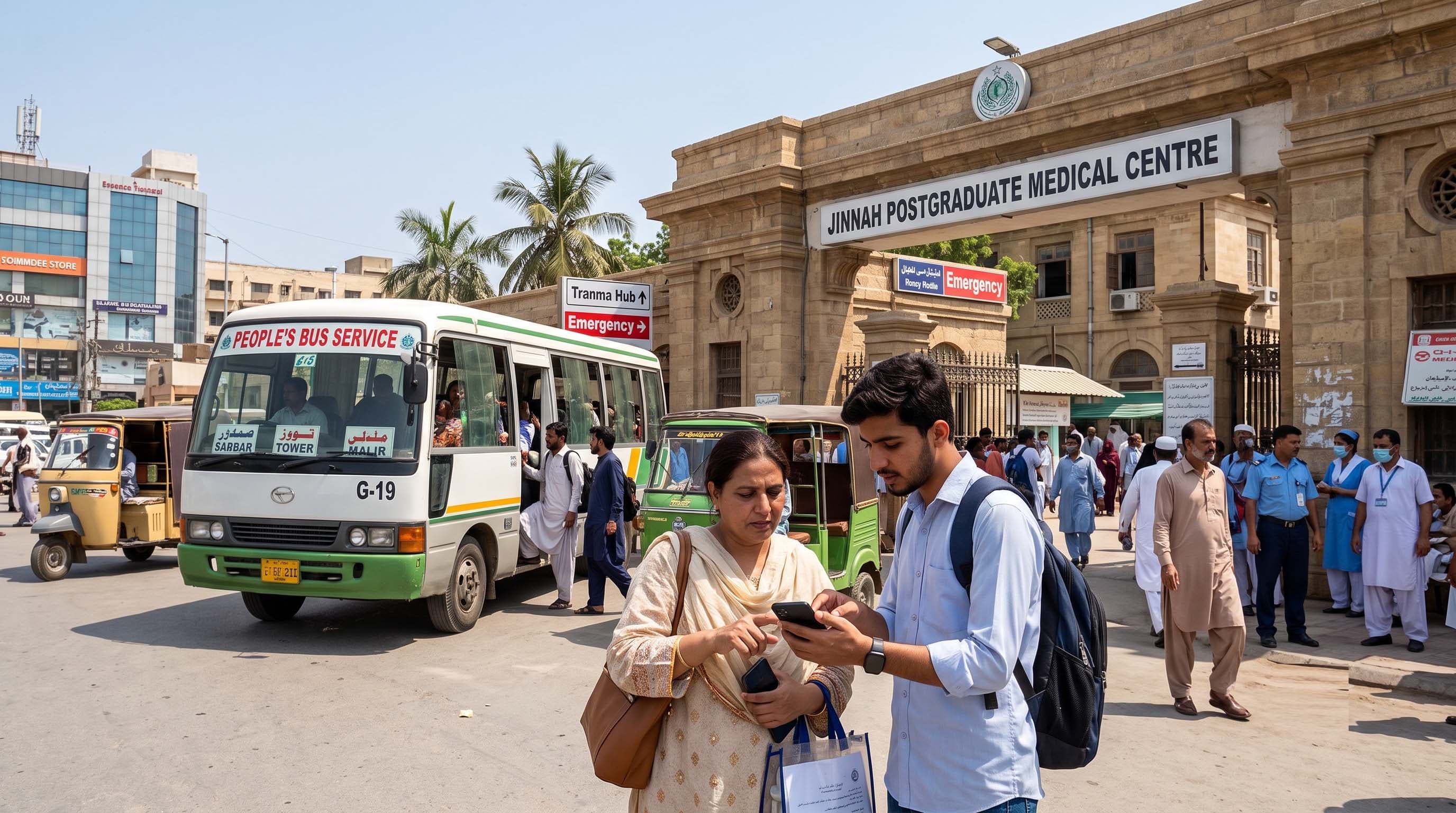
More Than a Hospital: The Legacy of JPMC and How to Get There
In the bustling heart of Karachi, accessibility to healthcare is a primary concern for millions. For patients, medical students, and staff, reaching the Jinnah Postgraduate Medical Center (JPMC)- popularly known simply as Jinnah Hospital—is a daily necessity. As the largest and busiest public hospital in Pakistan, it stands as a cornerstone of the city's medical infrastructure. Whether you are traveling from the far reaches of Malir or the dense commercial sectors of Saddar, understanding your transit options is essential. In this guide, we will dive into the inspiring history of JPMC and provide a comprehensive, data-driven breakdown of the best commuting routes to reach the campus using Mnzil’s transit data.
Jinnah Hospital: Karachi’s Free Medical Lifeline
The story of Jinnah Hospital is deeply intertwined with the history of Pakistan itself. The facility began in 1930 as a modest, 80-bed military hospital primarily serving the British army. However, its true legacy began to take shape following the partition of the subcontinent in 1947. When approached to lend his name to the institution, Pakistan's founder, Muhammad Ali Jinnah, agreed on one strict, non-negotiable condition: the hospital had to be opened up to serve the general public.
Today, JPMC has grown exponentially from its humble beginnings into a massive, sprawling medical campus boasting over 2,200 beds. It operates as a true sanctuary for the underprivileged, treating over 2 million patients every single year completely free of charge.
The hospital is universally recognized as the city's premier trauma hub, managing Karachi's busiest 24/7 emergency and accident department. Beyond immediate patient care, it serves as Pakistan’s foremost hub for training the next generation of doctors, specialists, and nurses. Heavily supported by local donors, philanthropists, and charities, Jinnah Hospital remains a towering monument to compassion and equality in the heart of Karachi.
Nearby, the area is surrounded by other critical national institutions, bustling food streets for patient families, and key transit arteries that connect the southern districts to the rest of the megacity.
The Ultimate Commuter's Guide: Routes to Jinnah Hospital
Because JPMC provides free, world-class healthcare, it draws massive crowds daily from every single district in Karachi. Leveraging search data from the Mnzil platform, we have mapped out the most frequently searched transit routes to help you navigate your way to the hospital with ease. Here is a breakdown of the best public transit pathways from across the city, organized by region.
Traveling from Central and Downtown Karachi
For those living or working in the historic and commercial centers of Karachi, reaching JPMC is highly convenient. If you are starting your journey near the iconic Merewether Tower, you can easily find the optimal bus route from Tower to Jinnah Hospital. Similarly, commuters navigating the bustling financial district can check the I.I. Chundrigar to JPMC route for direct transit options.
Saddar Town remains a major hub for interconnecting buses. Whether you are shopping near the Empress Market or the Atrium Mall, you can utilize the Empress Market to JPMC route, or access the dedicated Saddar to JPMC transit link and Atrium Mall connection. Additionally, if you are coming from the Numaish intersection, simply follow the Numaish Chowrangi to Jinnah Hospital route, or if you are near Guru Mandir, use the Guru Mandir transit path to reach the medical center efficiently.
Commuting from the Eastern Suburbs (Gulshan, Jauhar, & Beyond)
The eastern districts of Karachi supply a heavy volume of medical students and patients to JPMC. For residents of Gulshan-e-Iqbal, navigating the traffic on University Road is a daily reality. You can streamline your commute by checking the University Road to JPMC route or utilizing the specific Gulshan Chowrangi connection. If you are closer to the NIPA intersection, the NIPA Chowrangi route will provide the fastest local bus options.
For those in Gulistan-e-Jauhar, starting your journey at the major roundabouts is highly recommended. Find your optimal bus using the Johar Chowrangi to JPMC guide, or if you are near Safoora, the Safoora Chowrangi route will map out your journey. Shoppers and residents near the Millennium Mall can also find direct transit options via the Millennium Mall to Jinnah Hospital path.
Navigating from Malir and the National Highway
The distance from Malir to JPMC is significant, but reliable public transport makes it highly accessible. For those near the Malir 15 flyover, the Malir 15 to Jinnah Hospital route is your best bet. Commuters near the airport region should utilize the Malir Halt connection. If you are coming from further down the National Highway near Quaidabad, we recommend checking the Quaidabad to JPMC route guide to ensure you catch the right transport.
Routes from Northern and Southern Corridors
If you are traveling from the densely populated northern sectors, finding a direct bus is crucial to save time. Shoppers near the Lucky One Mall can plan their trip using the Lucky One Mall to JPMC link. Commuters originating from Ayesha Manzil should rely on the Ayesha Manzil transit guide, while those coming all the way from the distant Maymar area can track their long commute via the Maymar Mor to Jinnah Hospital route.
Finally, for residents in the southern belts of the city, such as those near Qayyumabad or the densely packed Manzoor Colony, local buses run frequently toward the hospital. You can verify the exact stops and schedules using the Qayyumabad to JPMC route or the Manzoor Colony transit path. Furthermore, those near Punjab Chowrangi can efficiently map their travel using the Punjab Chowrangi route, and travelers starting at Baloch Hotel can trace their journey via the Baloch Hotel to JPMC guide.
Conclusion
Jinnah Hospital is more than just a medical facility; it is a vital lifeline that keeps Karachi breathing. Whether you are visiting a loved one, attending medical classes, or seeking world-class treatment, knowing your transit options ensures your journey across the city is as seamless and stress-free as possible. Plan ahead, check your routes, and travel with confidence.
Related Blogs
Arts Council Karachi Transit Guide: Cultural History, Upcoming Events & Commute Routes
Explore the rich history of the Arts Council of Pakistan Karachi, check out upcoming July 2026 events, and find the best public transit routes to get there from across the city.
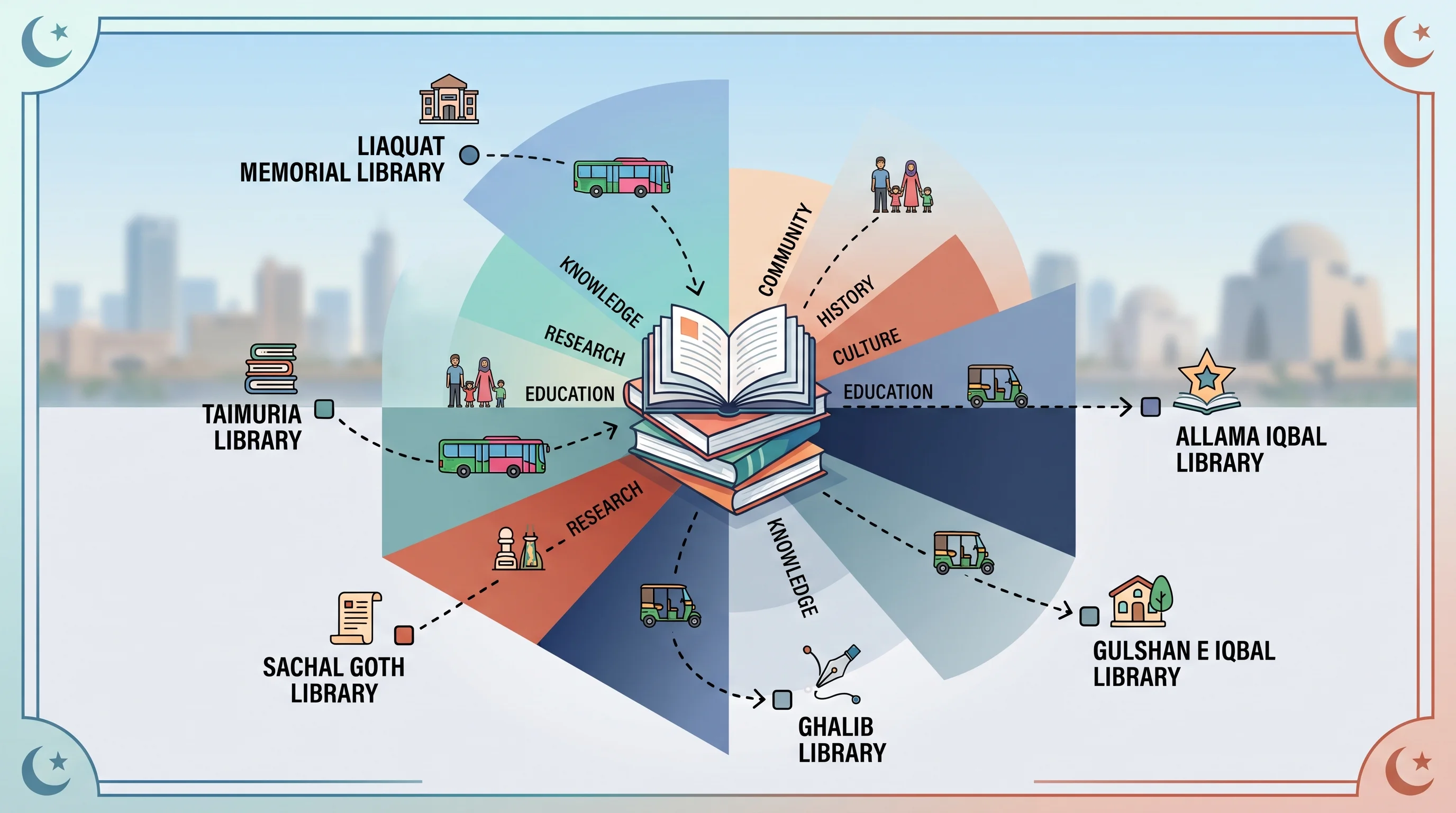
Karachi’s Knowledge Sanctuaries: The Ultimate Transit & Route Guide to Public Libraries
Discover the top public and academic libraries in Karachi, their importance to urban society, and explore direct bus routes from major transit hubs across the city.

Navigating Your Way to Karachi University: The Ultimate Commuter’s Guide
Discover the best transit routes and travel guides to Karachi University. Whether you're commuting from Clifton, Malir, or Orangi, find the most efficient paths to campus.